About Andy Lien
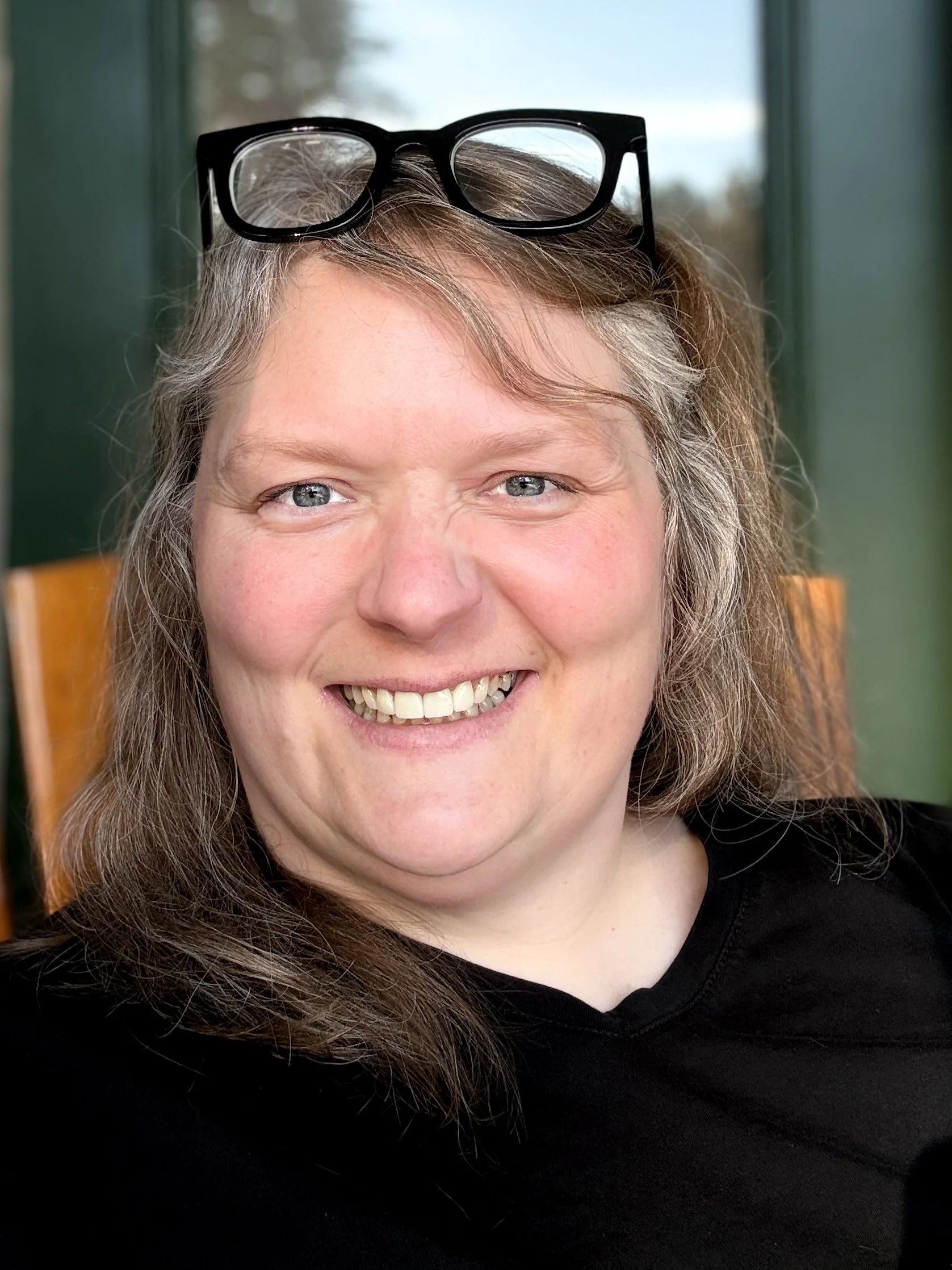
I’m Andy Lien and this is a space where science meets story. It’s where we explore how our brains can change
and how, by understanding ourselves,
we can guide that change through
intention, compassion, and curiosity.
We can decide that we don’t have to be where we are.
We can map a new destination.
We can even stay there.
Most recently, I served as the Editorial Director of Consumer Publishing at the Hazelden Betty Ford Foundation, where I worked with a team dedicated to creating books and resources that help people understand and navigate mental health, addiction, and recovery. Consumer publishing means creating content for everyday people—not clinicians or researchers—but folks who are asking, “What’s going on with me?” and “What can I do about it?” In that role, I learned that real stories from real people resonate deeply. Working at Hazelden Publishing exposed me to a wide range of perspectives on neuro-biopsychosocial health, reinforcing my belief that we can do so much for ourselves when we understand not just what we need to do, but why it works and how to apply it.
My passion for this work is rooted in personal experience. I’ve spent over two decades in therapy for various reasons. I’m in recovery for a substance use disorder (SUD) and an eating disorder (ED), which is a very common pairing. I live with general high-functioning anxiety, which makes me both really good at a lot of things as well as a little over-thinky. Sometimes really tired.
And I am thriving.
How did I get here?
I got sober in 2009, and by 2014, I realized I could seek help for my eating disorder because I had already experienced the power of remapping my neural pathways—I no longer even wanted to reach for alcohol. That shift didn’t happen overnight; it came from years of hard work, reflection, and support. My eating disorder recovery took me through eleven years of therapy, with dialectical behavioral therapy (DBT) being the most transformative. DBT helped me build skills to regulate emotions, tolerate distress, and make mindful choices—tools that became foundational to my healing.
What’s Been Missing
When I was eighteen, fresh out of weight loss surgery and sitting in one of my first group therapy sessions, we were asked to make a list of things to do instead of eating when we weren’t hungry. I thought it was ridiculous. I thought my list was pitiful: “Listen to music.” “Go for a walk.” “Just write something so I can finish this dumb assignment.” It wasn’t until decades later—working in behavioral health publishing—that I realized the brilliance behind that exercise. We weren’t just making lists. We were training our brains to choose something different. To remap. To, first, not do something and, second, do something else instead. In moments of stress or habit, we might not remember what a better choice looks like. But if we’ve practiced alternatives, even imperfectly, we start to build new pathways. That’s the heart of Remapping Myself.
What’s often missing in therapeutic work—and in the way we talk and write about healing—is explicitly connecting the dots between what we’re being asked to do and what it’s supposed to lead to. It’s one thing to be told, “Try this skill,” and another to understand, “Here’s how this skill can change your brain, your behavior, and your life.” One of the most impactful approaches in recent years is Motivational Interviewing (MI)—a therapeutic method that helps people explore their own reasons for change, build confidence, and take steps that align with their values. MI isn’t about telling people what to do; it’s about helping them discover what they want and how to get there. It’s collaborative, empathetic, and deeply respectful of personal autonomy.
Remapping Myself is built on that same spirit. It’s about tying our motivation to help ourselves with how to do it and what can happen if we do. When we understand the purpose behind a practice, we’re more likely to engage with it. When we see results—even small ones—we build momentum. And when we can name and celebrate those successes, we reinforce the new pathways we’re creating. If I had been told that I was making those dumb lists to change how my brain works—both structurally and functionally—so I maybe wouldn’t be plagued by an eating disorder for another twenty years, it might have stuck. I might not have become an alcoholic. We don’t know—there are plenty of things that lead us down our paths—but understanding my brain could heal could have helped me in so many different ways.
If I had a chance to do it all over, I’m not sure I would. I know, I know. Many of us make claims like that. I wouldn’t be the person I am today! My habits wouldn’t have become traits that became my identity. But I also wouldn’t be as damaged as I have been (notice I didn’t say “am,” because I am not damaged). I wouldn’t have had to heal and persevere through quite as many things. Alas. I accept where I am and am so very grateful. But, like how we no longer require folks to hit rock bottom with their addictions before we try to help them, we can learn how to remap neural pathways now so that we never have to fall very far before catching ourselves next time.
I’m here to help make those connections clear, so that healing isn’t just a vague hope—it’s a process we can understand, trust, and actively participate in.