Post-Traumatic Growth
Remapping in action.
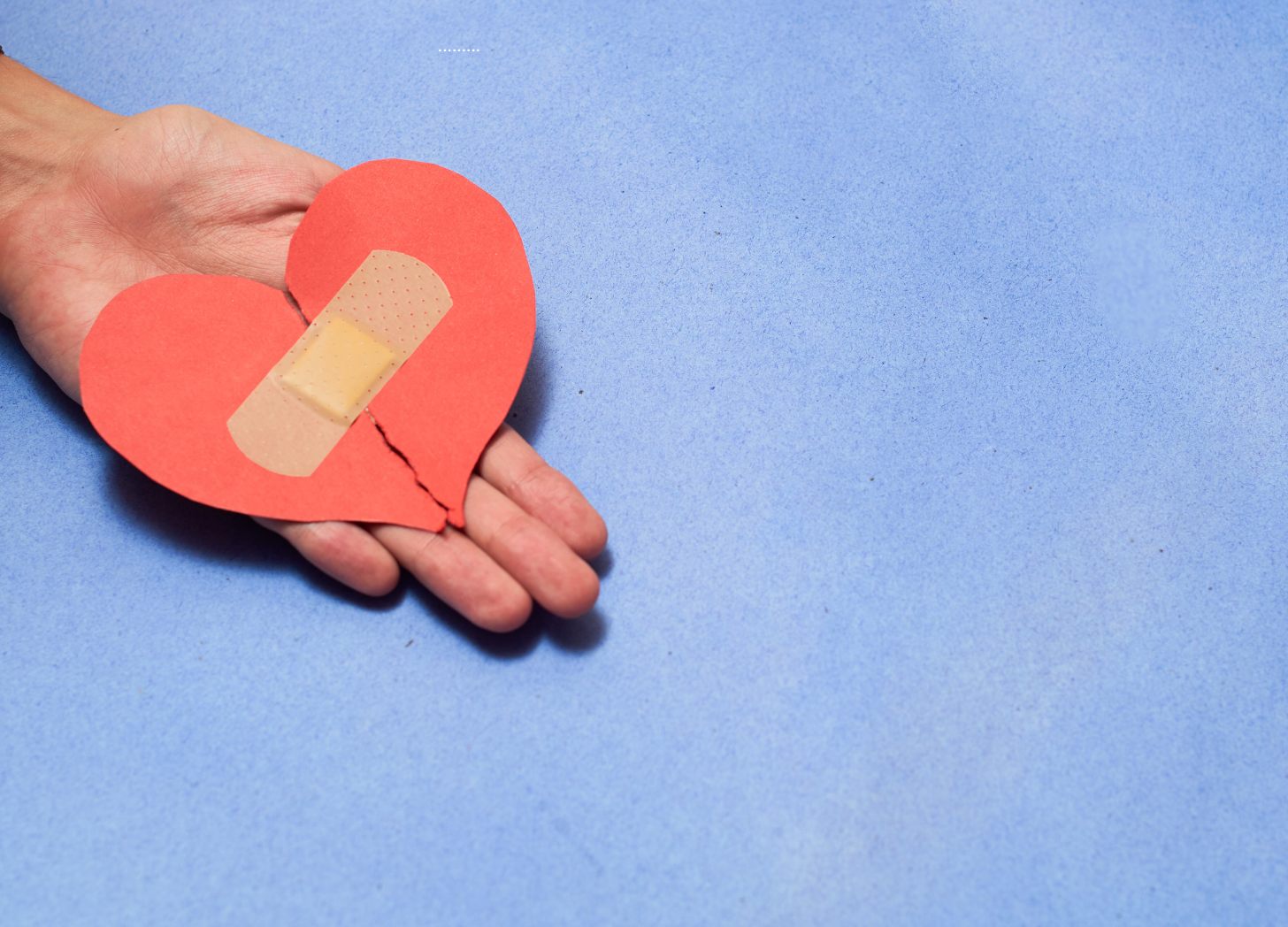
When life cracks under the weight of trauma, our first instinct is survival—patching the breaks, holding things together with whatever we’ve got. But sometimes, after the dust settles, something unexpected happens: growth. We call this Post-Traumatic Growth (PTG). And here’s the key—it’s not about going back to who we were before. That’s resilience: bouncing back. PTG is about transformation. It’s about becoming someone new because of what we’ve endured.
And here’s the wild part: PTG isn’t just a nice idea. It reflects real biological and psychological changes that point to neuroplasticity—the brain’s ability to reorganize itself, form new connections, and adapt to new realities. This is the whole point of Remapping Myself. Every time we discover strength we didn’t know we had, every time we shift our priorities or deepen our empathy, our brain is literally rewiring. Growth after trauma isn’t just a metaphor—it shows up in how we think, feel, relate, and sometimes even in brain activity and structure.
Not everyone experiences PTG, and there’s no rule that says we have to “find the silver lining.” For many of us, trauma stays painful, and growth—if it comes—often shows up slowly and alongside ongoing distress, not instead of it.
What Is Trauma?
Trauma is more than pain; it’s disruption. It’s the car accident that leaves us questioning our own fragility, the diagnosis that redraws the map of our future, the loss that hollows out our sense of safety. Trauma overwhelms our ability to cope, shaking the foundations of what we believed about control, predictability, and fairness. In its wake, life feels unfamiliar. We feel unfamiliar.
Why We Struggle to Name Trauma
One of the biggest barriers to healing is that many of us don’t even call what we’ve been through “trauma.” We worry it’s a competition—that our suffering doesn’t measure up compared to someone else’s. We minimize our pain, telling ourselves, It wasn’t that bad. Other people have it worse. But trauma isn’t a contest. It’s not about earning a badge of suffering. If something overwhelmed our ability to cope, if it shook our sense of safety or self, it matters. It counts.
Clinicians sometimes talk about “big-T Trauma” (catastrophic events like natural disasters or violence) and “little-t trauma” (experiences that are less dramatic but still deeply distressing, like chronic criticism, job loss, or caregiving stress). While these distinctions help professionals see patterns, they can make us feel like our pain is somehow less valid. Many trauma-informed practitioners now emphasize impact on the nervous system over the size of the event itself. Maybe we don’t need to split hairs. Trauma is trauma. Its impact is personal, and its weight is real.
Some types of trauma are becoming more common to discuss and explore:
Vicarious Trauma (Secondary Trauma): Common among caregivers, therapists, healthcare workers, and first responders. It’s the emotional residue from exposure to others’ suffering and can mimic PTSD.
Medical Trauma: Often follows invasive procedures, misdiagnoses, or prolonged hospitalization.
Financial Trauma: Chronic instability, layoffs, and poverty can create stress responses that resemble trauma, impacting mental and physical health.
Relational Trauma: Betrayal, attachment wounds, chronic invalidation—these erode our sense of safety and self.
Cultural and Systemic Trauma: Racism, sexism, homophobia, poverty—ongoing oppression shapes stress and health.
Collective Trauma: Wars, pandemics, natural disasters, social upheaval—these ripple across generations through stories, behaviors, and community memory.
Naming these matters because it validates the struggle and opens the door to healing.
How Does Post-Traumatic Growth Happen?
Contrary to what we might hope, growth doesn’t come from trauma itself—it comes from the struggle to make sense of it. When everything feels shattered, we start asking questions we never asked before:
What matters most now?
Who am I in this new reality?
What do I want my life to mean?
Wrestling with these questions can lead to profound shifts. We discover inner strength we didn’t know we had, develop deeper appreciation for ordinary moments, and sometimes pursue paths we never imagined. Relationships deepen, empathy expands, and spiritual beliefs evolve in ways that feel grounding and liberating.
Here’s where neuroplasticity comes in: these changes aren’t just philosophical. They reflect new neural pathways forming in response to adversity, along with shifts in emotion regulation, attention, and meaning-making. Our brains adapt, creating fresh circuits for gratitude, purpose, and connection. Growth and pain can coexist—joy doesn’t erase grief, and healing doesn’t mean forgetting.
My Own Reckoning with Trauma
For me, trauma didn’t always look like one catastrophic event. It was layered, cumulative, and deeply personal: being labeled “morbidly obese” in a culture obsessed with thinness; alcoholism and everything I did—and everything I experienced—while under the influence that I am appalled to recall; repeated layoffs that chipped away at my sense of worth; and caregiving for my mother through medical crises, culminating in her traumatic death. These experiences didn’t just bruise—they rewrote my story. And they’re not over.
And yet.
And yet, in the rewriting, I’ve found threads of growth: new priorities, deeper empathy, and a fierce commitment to meaning-making. That’s neuroplasticity in action—the slow, ongoing reshaping of a life and a brain around what matters now.
I could not have done it alone. I didn’t have material like this to read to make sense of what was going on but, if I had, I still would have needed help and guidance. Like our educational system has taught us, we use books, teachers, practicums, labs, and tests to understand, apply, and retain. Same with our minds. I needed the help of people with lived experience who modeled for me what PTG can look like. I required someone else to be in my head with me, therapists and other practitioners who could help me see what my committee of one couldn’t. And I need to be reminded of what I’ve achieved and how I have grown past my traumas. I hope you have or can find the support you need as well.
Many therapeutic approaches can nurture this transformation, each tapping into the brain’s remarkable capacity for change. Cognitive Behavioral Therapy (CBT) helps us reframe shattered beliefs, challenge rigid thoughts, and uncover new meanings in painful experiences. Twelve-Step Recovery emphasizes spiritual awakening, community, and service—turning pain into purpose and connection. Trauma-Informed Care prioritizes safety and empowerment, honoring the body’s and brain’s adaptations while spotlighting strengths that emerge after adversity.
Beyond these, Dialectical Behavior Therapy (DBT) teaches emotional regulation and distress tolerance, while Acceptance and Commitment Therapy (ACT) helps us move toward values-driven living even in the presence of pain. Somatic therapies, like EMDR and Sensorimotor Psychotherapy, integrate the body’s role in healing, and mindfulness-based practices cultivate presence and resilience. Each of these approaches demonstrates that healing is not passive—it’s active, structural, and deeply human.
So very human.
Why This Matters
Trauma can feel like an ending, but PTG whispers that it can also be a beginning. Growth doesn’t erase pain—it sits beside it, offering new purpose and deeper connections. Research shows many of us report positive changes after adversity—not because we wanted the trauma, but because we discovered capacities we never imagined, often alongside very real grief and ongoing symptoms.
If you’re in the aftermath, know this: the cracks in your life may one day let the light in. And when they do, remember—your brain is part of that miracle. Neuroplasticity makes growth possible, but there is no timeline, no pressure, and no requirement to turn your pain into anything other than the truth of your experience.
Reflection
We’re going to keep this one simple in intent, because it might be complicated in its impact. Before you think too much on it, cope ahead for how it might make you feel. If you want to keep something comforting nearby—like lotion or your pet—you can stay grounded by rubbing lotion into your hands or running your hands through their fur. I do not recommend doing both. I have done this. Learn from me.
Here are two questions:
Is there something in your life that you might not have identified as trauma?
What would you like to do with that knowledge?
It’s perfectly acceptable to say “nothing.” Or “nothing at this time.”
Maybe just note it and move on with your day knowing that you have just that much more insight and appreciation for the journey you’ve already traveled with the map you’ve had so far.