Progress, Growth, and Recovery
It all counts.
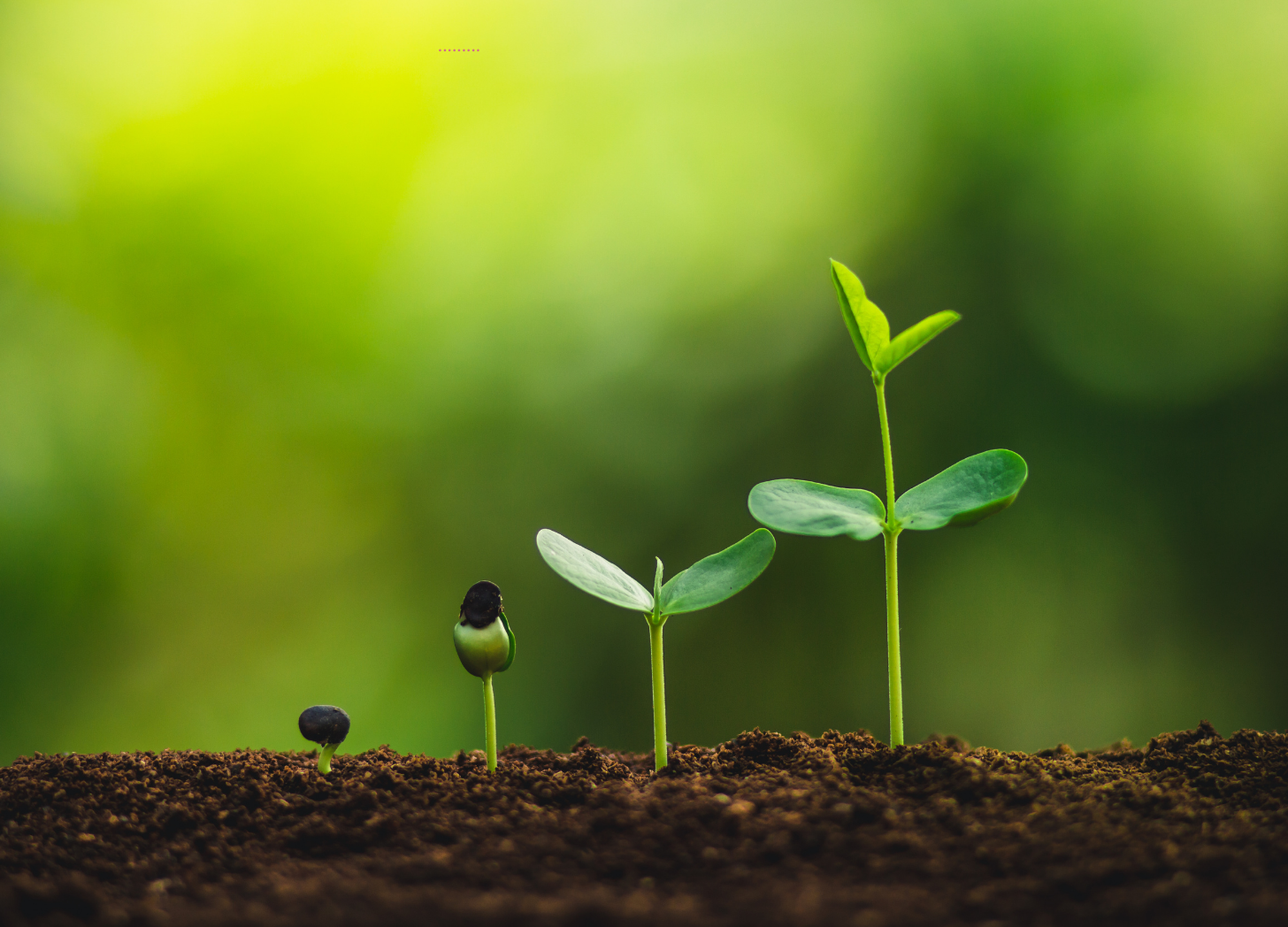
After some heavy conversations—grief, stress, and the weight of the holidays—this article is meant to lift us up. It’s a reminder that healing isn’t only about hard things. Progress, growth, and recovery aren’t punishments or proof that something was broken; they’re invitations to evolve. They’re about movement, expansion, and restoration—sometimes after pain, but often toward possibility. Understanding the difference matters for how we measure ourselves, how we heal, and how we remap the way we think.
We hear these words often—progress, growth, recovery—as if they’re interchangeable, as if they all mean “getting better.” But they don’t. They live in different spaces, carry different weights, and unfold at different speeds. Understanding the distinctions matters because when we blur them, we risk measuring ourselves against the wrong yardstick.
Progress is movement. It’s directional, not absolute. We were here; now we’re there. Sometimes it’s a bold leap, sometimes a shuffle so small it feels invisible. Progress doesn’t promise permanence—it’s about motion, not adoption. Showing up for therapy after months of avoidance? That’s progress. Using a coping skill once instead of never? Progress again. It’s fragile and often uneven, but it counts.
Growth is deeper. It’s not just moving forward; it’s expanding—our capacity, our perspective, our resilience. Growth often feels uncomfortable because it stretches us beyond what’s familiar. It leaves stretch marks sometimes. It’s the moment we realize failure isn’t fatal but feedback. It’s learning to set boundaries without drowning in guilt. Growth changes the way we inhabit ourselves, even when circumstances stay the same.
Recovery is a process of restoration—health, stability, functionality after disruption. It’s rarely linear. It loops, it stalls, it doubles back. In substance use recovery, relapse doesn’t erase recovery; it’s part of the terrain. In trauma recovery, the goal isn’t erasing the past but reclaiming agency and identity. Recovery is rebuilding trust, returning to meaningful roles, and finding safety in our own skin again.
Different therapeutic and recovery models frame these concepts in their own language. Cognitive Behavioral Therapy talks about progress as measurable shifts in thought and behavior, growth as cognitive flexibility, and recovery as symptom reduction and improved functioning. Twelve-step programs see progress in working the steps, growth in spiritual development and service, and recovery in ongoing sobriety and community engagement. Trauma-informed care positions progress as stabilization, growth as integration without overwhelm, and recovery as reclaiming our sense of self.
But here’s what these processes are not: They’re not perfection. They’re not speed. They’re not comparison. We don’t lose progress because we had a bad day. We don’t fail at growth because we’re moving slowly. And we don’t erase recovery because someone else seems “further along.” These are personal, dynamic, and non-linear journeys.
And no—success isn’t the same thing. Success is an outcome, a milestone, a moment we can point to. Progress, growth, and recovery are lived experiences. They’re not boxes to check; they’re states of becoming. Success might be graduating therapy or completing treatment, but the work continues long after the certificate is framed.
Growth, Progress, and Recovery Aren’t Always About Something “Bad”
We often frame these words in the context of fixing what’s broken—healing from trauma, overcoming addiction, repairing damage. But growth, progress, and recovery aren’t limited to crisis or dysfunction. They also show up in seasons of expansion, reinvention, and curiosity.
Progress might mean learning a new skill or deepening a relationship. Growth could be developing emotional intelligence or embracing a new perspective that challenges old assumptions. Recovery can even apply to restoring joy after burnout or reclaiming creativity after years of neglect. These processes aren’t punishments for failure; they’re invitations to evolve.
When we stop equating growth with pain, we open space for it to feel like possibility instead of pressure. Progress isn’t proof that something was wrong—it’s evidence that we’re alive and moving. Recovery isn’t just about surviving; it’s about returning to wholeness, sometimes in ways we didn’t know we needed.
When We Mistake These Terms for “More” or “Faster”
One of the biggest traps we fall into is believing that progress, growth, and recovery should happen quickly—or that they should look dramatic and obvious. When we confuse these processes with speed or intensity, we set ourselves up for frustration and shame. We start thinking, “If I’m not moving fast, I’m failing.” That belief doesn’t just hurt emotionally; it reinforces old neural pathways tied to perfectionism, urgency, and self-criticism.
Why does this matter for remapping ourselves? Because the brain learns through repetition and reinforcement. Every time we tell ourselves we’re “behind” or “not enough,” we strengthen the very circuits we’re trying to change. Instead of building pathways for patience, resilience, and self-compassion, we wire in more fear and pressure. The work of remapping isn’t about speed—it’s about consistency. It’s about practicing new thoughts and behaviors until they become the default, even when progress feels slow.
When we honor progress as incremental, growth as gradual, and recovery as ongoing, we create space for sustainable change. We teach our brains that safety and stability matter more than urgency. That’s how we move from survival patterns to thriving patterns—one small, repeated choice at a time.
Reflections From My Own Experience
I am continually gobsmacked by how sober people can do or think or say awful things—and that’s when I remember: sobriety isn’t recovery. Sobriety isn’t permanent once it’s achieved, either. My own sobriety became necessary for many reasons, not the least of which was because I was committing acts of moral injury against myself. What does that mean? It means I was acting in ways that violated my own values—hurting relationships, breaking trust, and ignoring the person I wanted to be. For me, sobriety and recovery depend on living in alignment with my values. That’s the foundation. But that’s not the case for everyone. Some people stop drinking without doing the deeper work, and it shows.
When I think about recovery, I also think about my eating disorder treatment. For years, recovery was mistaken—by others and sometimes by me—for looking a certain way. Thin, but not too thin. Healthy, but not too heavy. The truth is, recovery from an eating disorder often means gaining weight, because the body is finally trying to regulate itself after years of deprivation and chaos. That reality is jarring when you’ve spent decades believing thinness equals worth.
I remember during eating disorder treatment, weight loss was never the goal. In fact, it was off the table entirely. The point was to get out of diet mentality, to break the cycle of disordered eating. And yet, here I am, years later, still wanting to lose weight—but wanting to do it without falling back into the psychological and emotional traps that nearly destroyed me. That’s the tension I live with: I am in recovery. I have made progress. I have grown. And I still want something that feels like the opposite of what recovery taught me. It’s a daily negotiation with myself. And I look forward to a future without it.
This is where eating disorder recovery feels so different from something like alcoholism. You don’t have to drink alcohol every day to survive. But you do have to eat. Every day. Multiple times a day. There’s no abstinence model for food. Recovery isn’t about cutting something out entirely; it’s about learning to live in balance with something you can’t avoid. That complexity makes progress harder to measure and growth harder to trust.
That’s why today, I feel like I’m in a successful place—not because I’m perfect, but because I have sobriety. I have recovery. I’ve addressed my eating disorder symptoms. And day to day, I’m healthy in how I cope with the world.
Working Toward Post-Traumatic Growth
Post-traumatic growth is often described as the positive psychological change that can emerge after a deeply challenging experience—but what happens when you’re still in the thick of it? After being laid off, I’ve been trying to hold space for the possibility of growth while acknowledging that I’m still in the trauma. Right now, it’s less about transformation and more about coping—finding ways to regulate my nervous system, maintain a sense of agency, and keep moving forward in small, sustainable ways. Growth may come later, but for now, survival strategies are the scaffolding that will eventually support something stronger.
I’ll go deeper into post-traumatic growth in next week’s Terminology Tuesday, because it deserves its own conversation. For now, it’s enough to say that progress and coping are valid—even when growth feels far away.
What Have You Noticed Lately?
When we talk about progress, growth, and recovery, it’s easy to keep the lens turned outward—on definitions, models, and frameworks. But the real work is noticing what’s happening in our own lives. Have you grown? Can you point to anything you’re in recovery for? Have you made progress with something that once felt impossible?
I look at my own work and my own self and see that even writing these articles every week helps me make progress and grow, too. It bolsters my recovery in multiple ways—through reflection, through accountability, through the act of naming what matters. That’s progress. That’s growth. And it’s part of my recovery.
Reflection Questions
In the past few months, where have you noticed progress in your life? What does it look like for you?
How do you define growth for yourself right now? What feels different compared to six months ago? One month ago?
Is there an area where you’re actively in recovery—physical, emotional, behavioral? How do you measure that without perfectionism?
When you think about success, how does it differ from progress, growth, and recovery in your experience?
What practices or habits help you sustain what you’re doing and foster growth? Which ones feel most aligned with your values?
Where do you still feel tension—between what you want and what it requires? How do you hold that without judgment?
If you need some assists, look back at some of the Remapping Myself articles and see if any of them changed how you think, feel, or act? I can tell you that each time I write a Fact-Check Friday, it sticks in my head a little while and I pause a sec if/when I think one of those thoughts. It’s even fun to notice. Like I’m studying myself (which I am).
As we move through the season, let’s notice the quiet ways we’re growing and recovering—not because we’re broken, but because we’re alive and becoming. Take a few minutes to answer the reflection questions and share what you notice in the comments. Your story might help someone else feel less alone.