

Psychological Safety
People tell me I’m courageous for writing the way I do—openly, about what I’m thinking, feeling, and sometimes barely surviving. I appreciate that. But honestly? I don’t experience it as courage. I experience it as fascination. My own brain is one of the most interesting subjects I’ve ever encountered. And yours is too. The fact that we can examine ourselves, notice our patterns, feel something uncomfortable, and then choose differently—that is not bravery. That is one of the most breathtaking things science has ever confirmed about being human. I am gobsmacked all the time.

Life in the Gray Area
With my dad who has vascular dementia, everything is 3-D chess. I can’t play chess, so this is even more of a problem than for others who can. Life used to feel relatively simple: coffee and pills in the morning, newspaper in the afternoon, dinner, channel/platform-changing for nighttime TV, and bedtime meds. Sure, we’ve noticed changes in him. Dan can see them more easily since he’s got a bit more distance. I am in it with the mannerisms, implied issues, obvious problems, and attitude color. I’m in it so deep that I can’t see the broad strokes very well.
What plunged me into the gray from the very tidy black and white was a recent virus that got him sick for three weeks. Then a fall. Then a CT scan that came back clear. Then another fall. And he refused a CT scan or trip to the clinic, despite his ribs hurting. (Un)fortunately, he knows there’s “not much that can be done” for hurt ribs from his own experience as well as that of his brother. You just kind of have to manage it. (I know. I tried to get him to go in for all the reasons that slip through the very wide cracks in his conclusion to just suffer his way through it.)

Adaptive Help-Seeking
A few weeks ago, I got sick. A week after I did, my dad got sick too. For several days, I was managing both of us—monitoring symptoms, tracking meds, adjusting care routines. At first, our paths looked similar: same virus, same recovery timeline. But then something shifted.
My dad started walking unsteadily and slurring occasionally. His vitals didn’t point to pneumonia, but his energy and balance dropped. Worse, he didn’t remember that he was sick, so he’d flit around like nothing was wrong—until he’d nearly fall. I kept thinking, “Maybe I can reason through this. Maybe I just need to wait.” A day passed. A night. He had an unwitnessed fall. Another day. Another night. But then came the moment yesterday when reasoning wasn’t enough. I had to admit that the situation had changed—we needed help. Even though he didn’t want to go, I drove us to urgent care.
That’s adaptive help-seeking.

Daylight Saving Time
I was reading a piece by Dr. Laurie Marbas about Daylight Saving Time and was, as the kids say, today-years-old when I learned its origin story. I had always vaguely assumed it was about farmers, or “the war,” or something noble and necessary. Instead, I discovered it grew out of ideas from a small group of mostly male policymakers and planners who believed the rest of us should reorganize our days to match their preferred “efficient” use of evening daylight and energy. I got so mad.
Once I saw that, I couldn’t unsee it. I started mentally fact-checking the whole concept—who it was meant to serve, who pays the price, and how it actually lands in our bodies, our families, our recovery, and our work. That’s where this week’s Fact-Check Friday came from: not just “What is Daylight Saving Time?” but “What does it do to us, and what does it mean that we’re still doing this at all?”

Acting As If
In DBT (Dialectical Behavior Therapy), Acting As If is the practice of behaving as though the qualities, habits, or confidence we want to cultivate are already alive in us. It’s not about pretending or forcing belief—it’s about giving our brains new data through consistent, intentional action. Acting As If is how we train our minds to catch up to our choices, one repetition at a time.

When Skills Meet Sick Days
Not everything becomes doable just because we’ve learned the skill or really, really want to use it.
These past weeks, I wanted to do Opposite Action. I knew the language, I knew the steps, I knew the Wise Mind arguments. And I still didn’t do it 100% of the time.
I’ve been sick since last Monday, the kind of sick that makes days blur and the body feel like a badly tuned instrument. When we’re under-resourced—sleep-deprived, in pain, feverish, exhausted—our capacity for skillful choice shrinks. The nervous system isn’t saying, “Oh, great, let’s practice higher-level emotion regulation.” It’s saying, “We are on fire; do whatever shuts this down fastest.”
Opposite Action
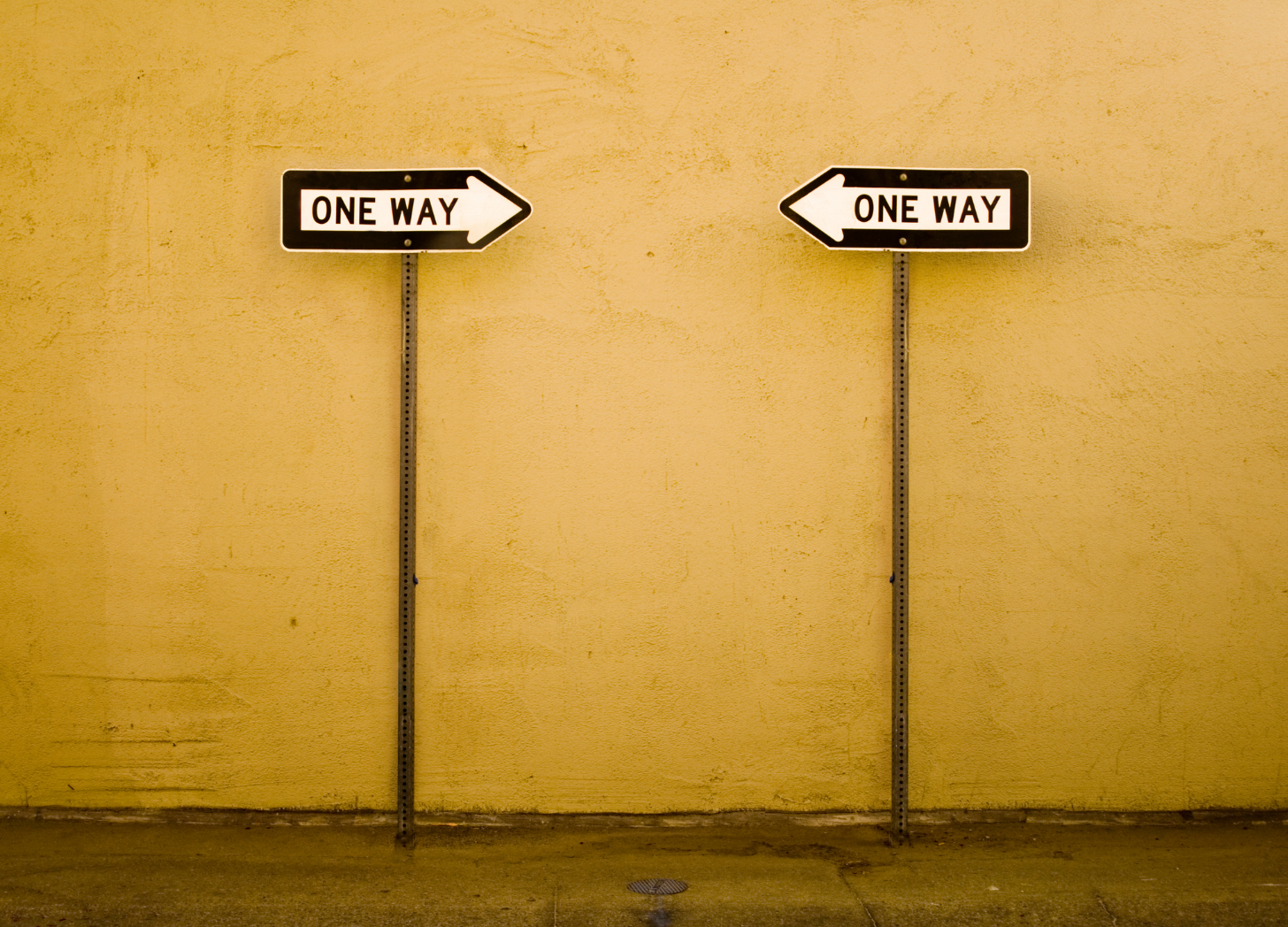
Opposite Action is one of the most powerful skills in the Emotion Regulation module of Dialectical Behavior Therapy (DBT). It’s short for opposite-to-emotion action—the practice of deliberately choosing a behavior that is the opposite of what our emotion is urging us to do.
Every emotion comes with a built-in action urge. Examples of this are how fear might urge us to flee, anger might urge us to attack, sadness might urge us to withdraw, and shame might urge us to hide. These urges evolved to keep us safe, but they do not always fit the situation we are actually in. Opposite Action invites us to notice the urge, ask whether it fits the facts, and—if it doesn’t—consciously do the exact opposite.

Trusting Change
Lately, I’ve been thinking about trust—specifically, why it’s so hard to believe claims of change from anyone, or any system, with a track record of deceit.
That reflection started, of all places, with the news. I keep hearing that ICE enforcement is scaling back in Minnesota—that things are different now. But I also still see raids, neighbors still afraid to answer the door, families still disappearing overnight. The screen shots of the Signal maps showing the reports of ICE activity. The story on the ground doesn’t match the story I’m told. And it reminds me of every time someone has said, “I’ve changed,” while their actions stayed eerily familiar. Like Lucy and the football.

Behavior Chain
We know those moments when we come to in the middle of something—restricting again, self‑harming, bingeing, snapping at someone we love—and think: “Why the hell did I just do that?” Behavior chains give us a structured way to rewind and see the steps that got us there, instead of treating our behavior like a mysterious jump cut from “fine” to “oh no.”
Victim‑Poster Syndrome
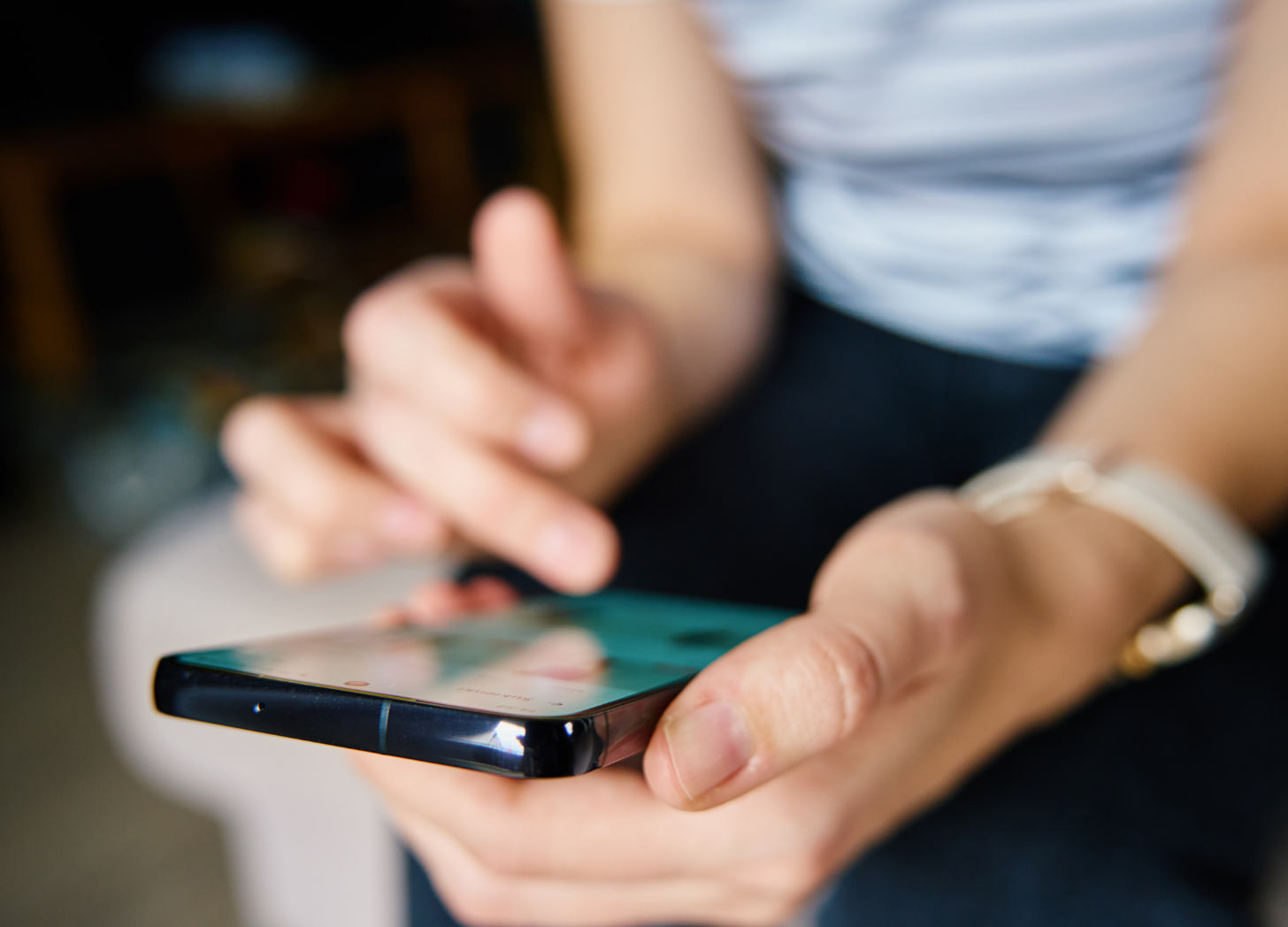
I made it up. I needed to, so I could try to make sense of it. Because I am so tired of people posting bullshit and then becoming victims when they get pushback.
So much of our lives—of our friendships, families, and communities—now happens in the glow of a screen. Our relationships can deepen there, or they can fray a little more every time we log on. I gnash my teeth more often than I’d like to admit at the people who make sweeping statements and then retreat as victims the moment anyone asks a question. Who make it about them. Who toss in a straw‑man argument and then climb inside the straw suit themselves.
'Interpersonal Effectiveness' When the Stakes Are High
DBT (Dialectical Behavior Therapy) is usually described as having four core skill sets: mindfulness, emotion regulation, distress tolerance, and interpersonal effectiveness. I’ve written about the first three before; today I’m turning to interpersonal effectiveness because I’ve talked to a number of friends this weekend who are living right in the middle of situations that have been interpersonal communication quagmires.

Survivor’s Guilt
This is not normal. It can't be. We won't let it be.
“Normal” is one of the words I’m fighting with the most right now. My normal day today involved going to the dentist’s office, walking slowly through the grocery store with a cart, and cleaning my pottery studio. Some of my friends experienced a different normal of listening to whistles go off outside their homes, watching ICE sit outside their kids’ schools, fielding texts about masked and armed bounty hunters. I am living inside one “normal,” and they’re being forced into another. My worry is not only about the violence itself, which is enough. It’s about what happens if this, too, becomes normal—just more noise in the background of Minnesota life.
“Normal”
This is not normal. It can't be. We won't let it be.
“Normal” is one of the words I’m fighting with the most right now. My normal day today involved going to the dentist’s office, walking slowly through the grocery store with a cart, and cleaning my pottery studio. Some of my friends experienced a different normal of listening to whistles go off outside their homes, watching ICE sit outside their kids’ schools, fielding texts about masked and armed bounty hunters. I am living inside one “normal,” and they’re being forced into another. My worry is not only about the violence itself, which is enough. It’s about what happens if this, too, becomes normal—just more noise in the background of Minnesota life.

Security
Is feeling secure a fallacy? A mirage? Right now, it feels impossible.
Security. It’s a word I used to associate with milestones—steady work, a paycheck, sobriety, a sense that if I just kept doing the next right thing, the ground would stop moving. But lately the ground seems committed to motion. Government agents are hurting people and detaining others. The headlines keep getting darker. Our systems remember too much—the pandemic years, the political turbulence, the uncertainty that taught us all to stay on high alert.

Mindfulness
I need to work on this one. Right now. Okay, after I finish writing this.
Believe me, with everything going on in our country lately—especially Minnesota—it is really hard to be present and alert instead of hiding and numbing. I’m tired all the time, but that’s also how things go with perimenopause (or whatever), so we’re just radically accepting everything over here. I know, ultimately, that being mindful is the best thing I can do for myself right now. But why? And am I doing it? Or am I just not being avoidant?

Coping in Minnesota
How to hold the horror we're experiencing. Still. Again.
My yesterday started in our Minnesota house, on a bitterly cold January morning, with a full bladder and a phone full of notifications. The power had gone out, which was jarring to see in the minus‑20 degree weather. Family was mid‑migration for my dad’s 80th birthday dinner—some on time, some running late, some texting from the road. A text conversation informed me that the neighbor at the end of the cul‑de‑sac had just died. The dog needed to pee without freezing his paws off, and I was just trying to drink one cup of coffee all the way to the bottom while my nervous system was already at a slow boil.
Disinformation
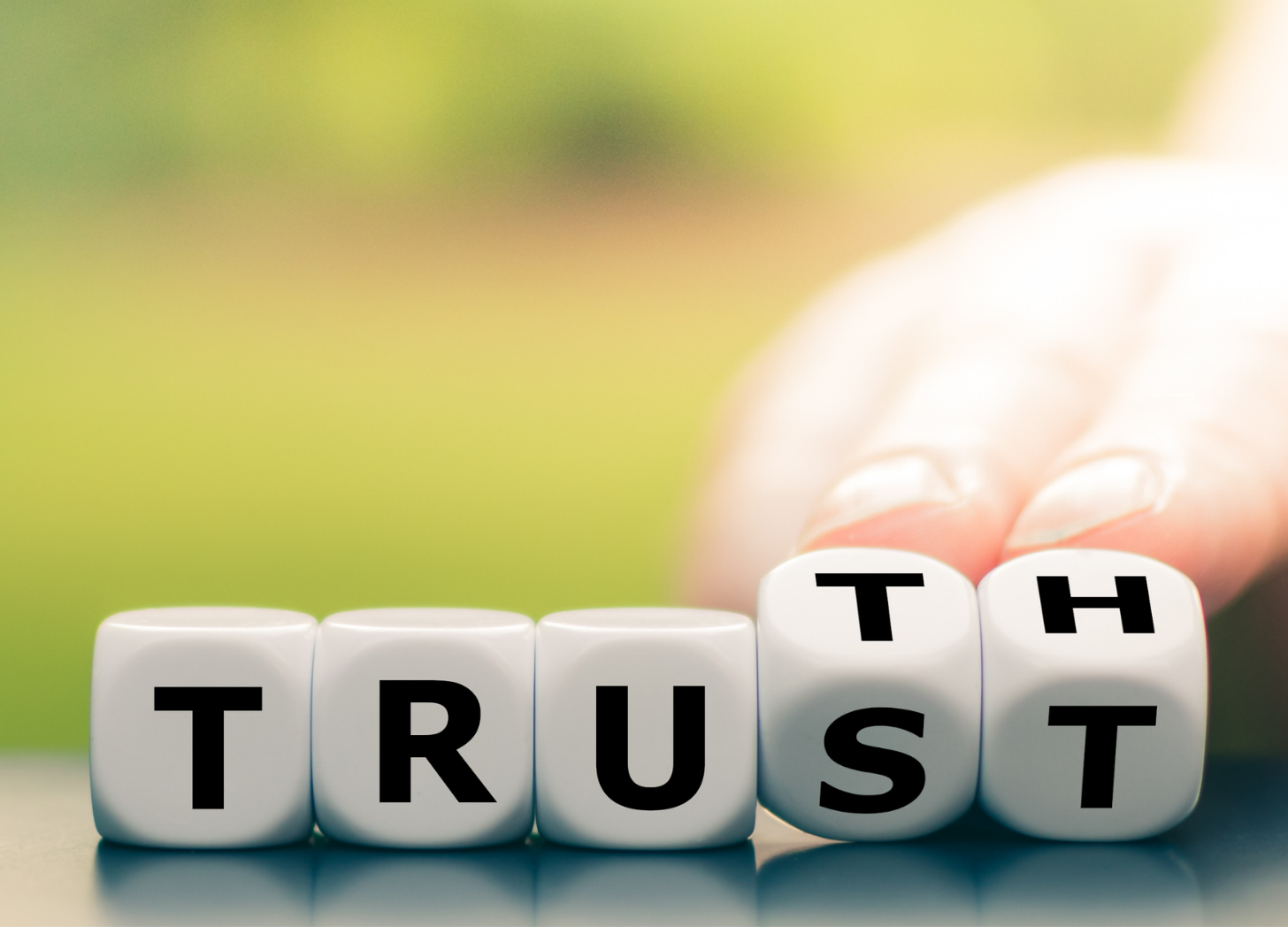
And it’s insidious. And it has lasting effects.
It starts with watching people you know begin to sound like they’re living in a different reality.
First, it was the “smoking guns”—the links and screenshots and grainy videos proving, supposedly, that they knew something the rest of us didn’t. The posts about how we were just sheep, swallowing “fake news,” too gullible or too brainwashed to see what was “really” going on. Then, slowly, that same lens started showing up everywhere: in how they talked about elections, protests, vaccines, neighbors, fraud, whole communities. We’ll see about the Epstein files. That one could be a unifier.

Knowing
What I know is that not enough people know.
Knowing has never been simple for me. Or, when it was, I probably shouldn’t have thought I knew it. Thinking I knew everything got me into a lot of trouble.
For me, knowing is not a neat stack of facts I memorized in school; it is a whole-body sense of “this is how the world works” that lives in my memories, my nervous system, my relationships, my stories. I grew up with certain things I was supposed to know: that people deserve basic dignity and due process, that uniforms mean safety, that pulpits and classrooms mean moral clarity and care. Those weren’t just ideas; they were the backdrop of reality. And then life, in its usual rude way, kept handing me scenes that did not fit those promises at all.

Can We Compartmentalize?
Like a true dialectic, the answer is: "Yes, and."
Sometimes the brain’s best work happens behind closed doors. Or in closed boxes. Schrödinger’s Problem, perhaps?
When everything inside us starts to blur—grief bumping against stress, worry tangling with memory—the mind does something deceptively simple: It makes tiny boxes. Quiet little mental compartments that say, This goes over here for now so you can deal with what’s in front of you.
It’s easy to label that as avoidance, but that’s not the whole story.

Dialectics
A survival skill for the ages, it's how we live with contradictions.
In another installment of “what do I need right now,” I’m writing about the concept of dialectics. I’ve gotten to rely on this ability of ours with almost a religious fervor. Lately, it feels like every other day someone says some version of, “We should not be expected to work and carry on our lives while fill in the blank is happening.” I can think of a number of these situations in my adulthood: 9/11, riots, the pandemic, insurrection, DHS occupation and turmoil, lying leaders. The thing is—they are right, and also the rent is still due. We can want to stop what we’re “supposed” to be doing in order to process or address the extraordinary circumstances, but they happen all the time. Big or small.